Functional Hallux Limitus Test Special Test
Orthopedic Physical Examination & Clinical Assessment Guide
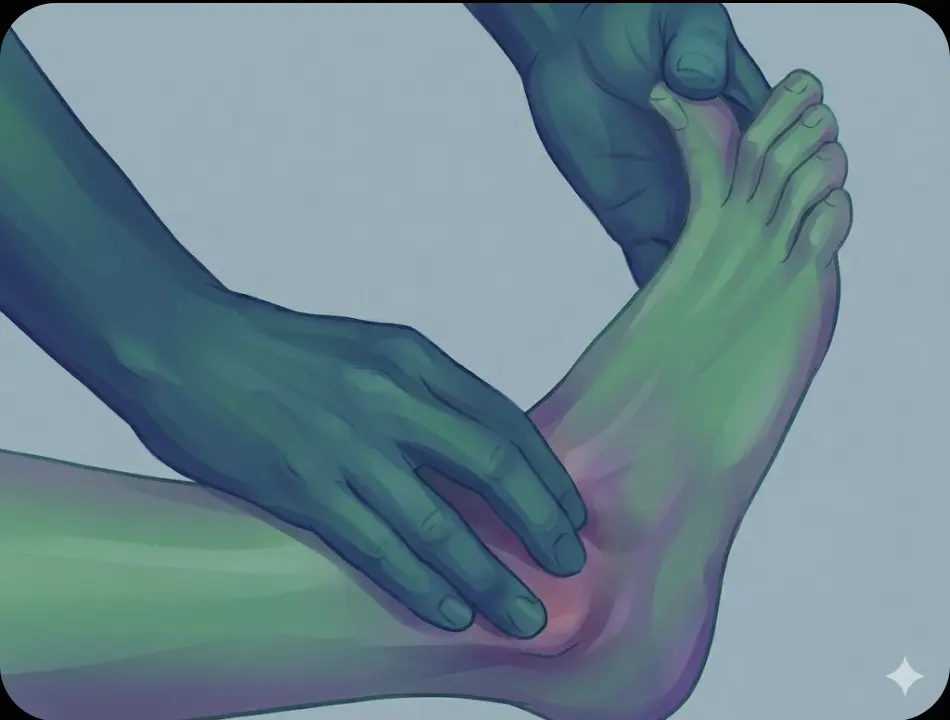
What is it used for?
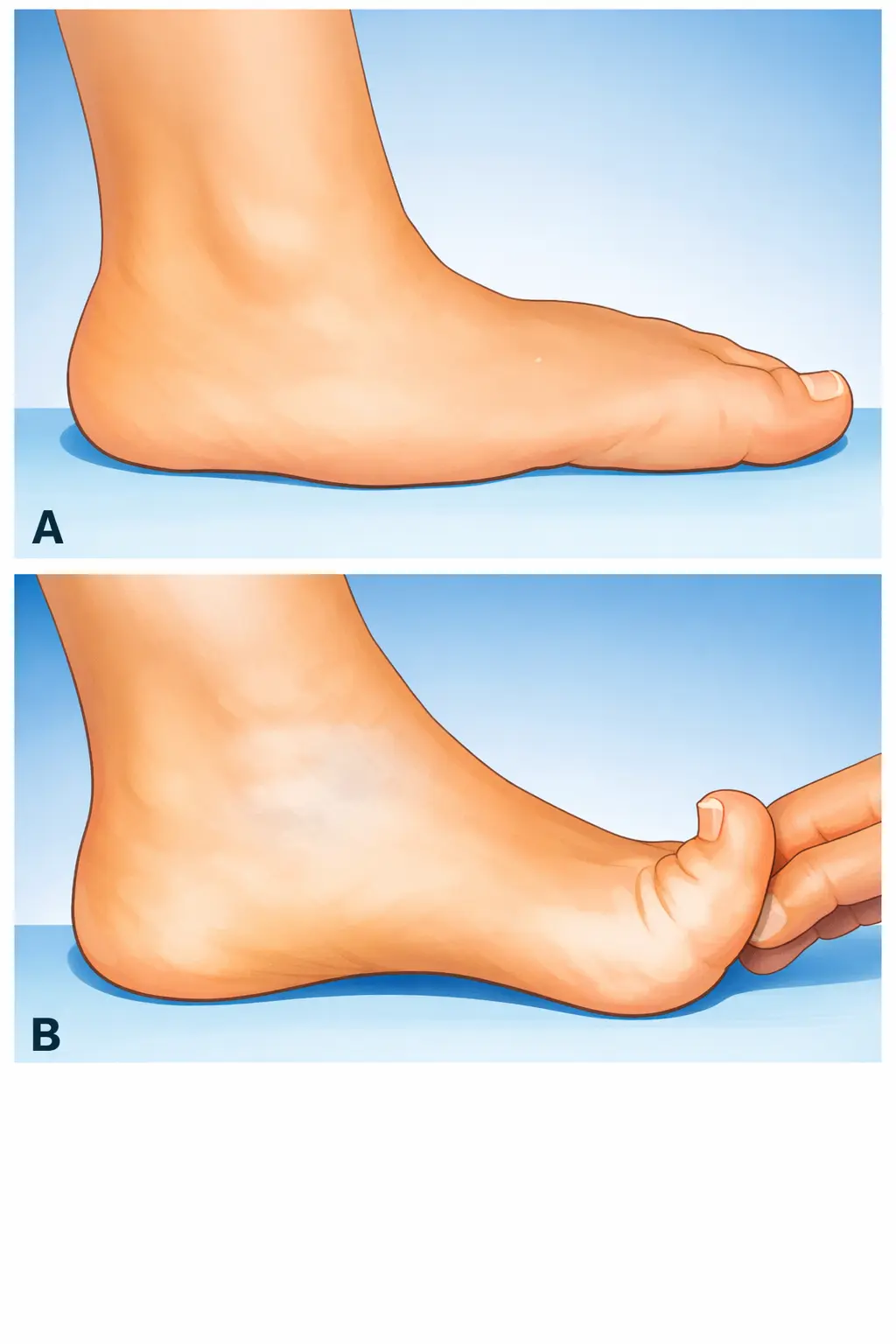
- Determining if the big toe (Hallux) lacks extension specifically during weight-bearing (functional limitation).
How to Perform
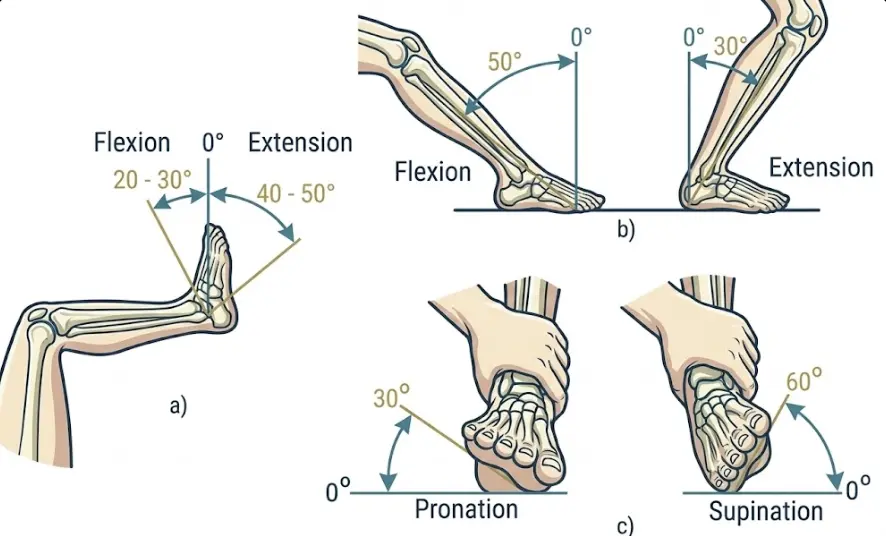
- Step 1 (Non-Weight-Bearing): Passively dorsiflex the big toe while the patient is sitting. Note the range (usually 60-90°).
- Step 2 (Weight-Bearing): Passively dorsiflex the big toe while the patient stands normally.
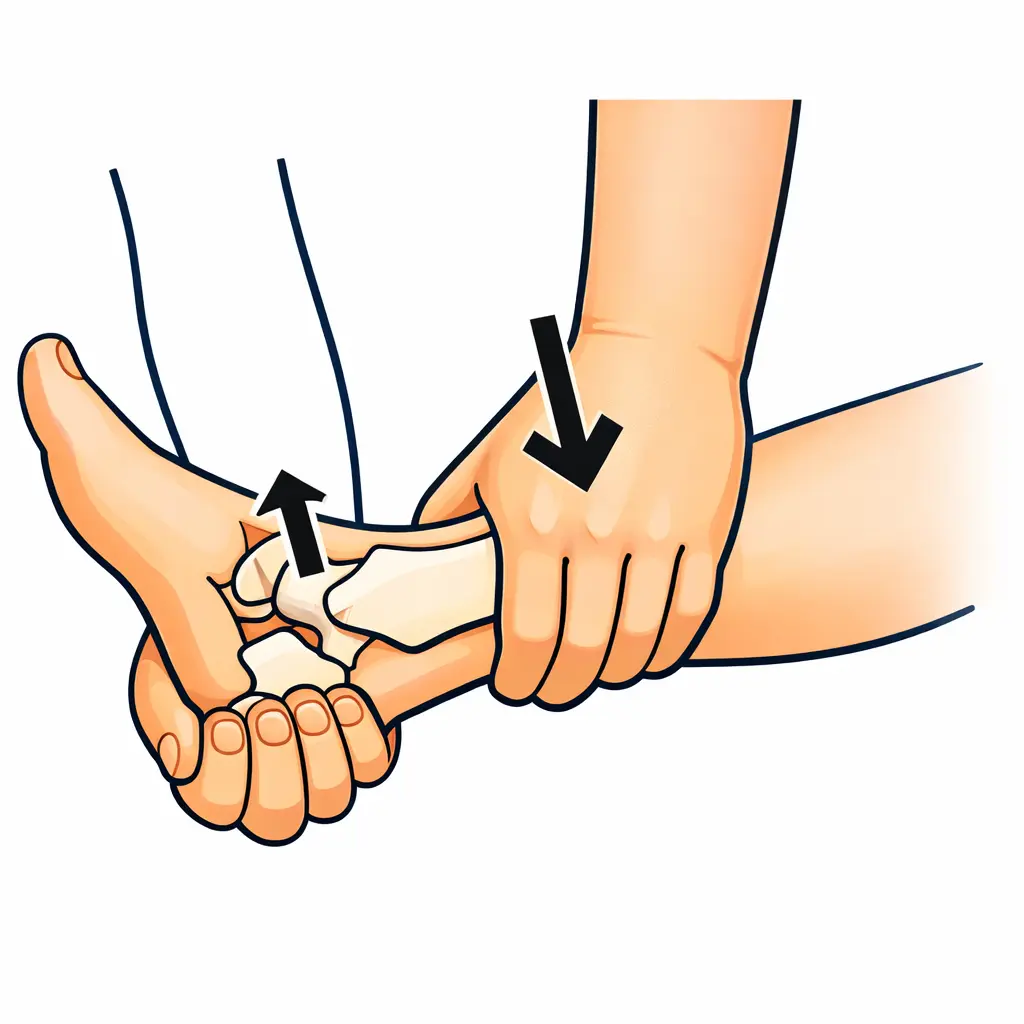
- Step 3 (Loaded): Passively dorsiflex the toe while pushing up on the first metatarsal head (simulating gait load).
Interpretation of Results
- Positive Test: Normal range of motion exists in non-weight-bearing, but movement is significantly restricted (stiff) during weight-bearing or loading.
Clinical Context & Limitations
The Functional Hallux Limitus Test should be considered as one component of a comprehensive musculoskeletal assessment. No single special test has perfect diagnostic accuracy; thus, clinical decision-making should integrate test results with patient-reported symptoms, mechanism of injury, functional impairment, and relevant imaging.
Clinicians should be aware of potential false-positive results in patients with pain sensitisation, muscle guarding, or poor relaxation. For the Ankle & Foot region, combining the Functional Hallux Limitus Test with complementary examination tests significantly improves overall diagnostic confidence.
References
- Magee, D. J. (2021). Orthopedic Physical Assessment (7th ed.). Elsevier.